
Quieting a Noisy Garage Door
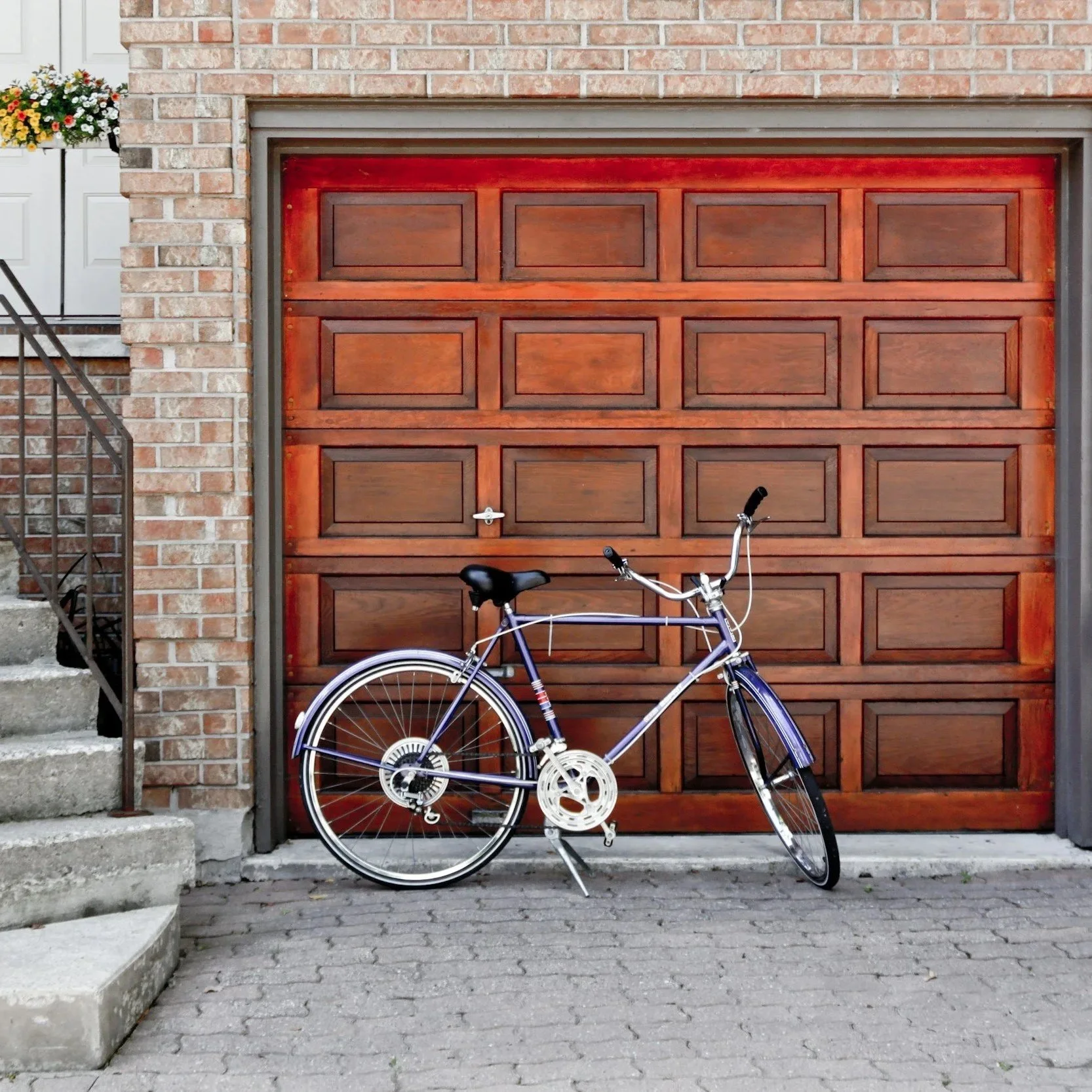
Quieting a noisy garage door improves your daily experience, extends your system's lifespan, and helps prevent future repairs.
A noisy garage door can be more than just an annoyance — it's often a sign that your system needs attention. Grinding, squeaking, rattling, and clanking are familiar sounds that mean friction, worn parts, loosened hardware, or misalignment. Whether your garage is attached to your home or stands alone, a noisy operation can disturb sleep, interrupt routine, and signal developing problems. Quieting a noisy garage door improves your daily experience, extends your system's lifespan, and helps prevent future repairs.
In this guide, you'll discover the most effective ways to reduce garage door noise, address underlying causes, perform maintenance, and enjoy smooth, quiet performance every time you open or close the door.
Why Garage Doors Make Noise
Garage doors are complex mechanical systems with many moving parts working together. When any component lacks proper lubrication, becomes loose, or wears out over time, noise is often the first symptom. Common noise sources include:
• Rollers moving along tracks
• Hinges and brackets vibrating
• Springs under tension
• Opener mechanisms
• Misaligned tracks
• Loose hardware
Understanding why your garage door makes noise helps you address the real problem rather than just masking the noise. Quieting a noisy garage door often begins with identifying the source of the noise.
Perform a Visual Inspection First
Before applying lubricants or adjusting components, take time to visually inspect your garage door system. Look for obvious signs of damage:
• Bent or dented tracks
• Loose bolts and screws
• Rust or corrosion on moving parts
• Flat or worn rollers
• Frayed cables
Operate the door slowly and listen carefully. Is the sound louder at the beginning, middle, or end of travel? Does it occur only during opening, closing, or both? This careful observation gives clues that pinpoint the problem.
Tighten Loose Hardware
One of the simplest and most common causes of garage door noise is loose hardware. Over time, vibration from frequent use can loosen bolts, nuts, and screws. Tightening them often significantly reduces rattling and vibration noise.
Check the following:
• Track brackets
• Roller brackets
• Hinge bolts
• Spring anchor bolts
• Opener mounts
A properly tightened system operates more quietly and is also safer, as loose parts can affect door balance and alignment.
Lubricate Moving Parts Regularly
Lubrication is one of the most effective steps in quieting a noisy garage door. Moving metal parts create friction, and friction creates sound. Applying the right lubricant reduces this friction and smooths motion.
Use a garage door–specific lubricant and apply it to:
• Rollers
• Hinges
• Springs
• Bearing plates
• Shaft ends
Avoid spraying lubricant directly into tracks, as this can attract dirt and debris. Focus instead on the pivot points and areas of metal-on-metal contact. After lubrication, cycle the door a few times to evenly distribute the product and listen for improvements.
Replace Worn Rollers with Quiet Models
Rollers play a major role in both the smoothness and noise level of your garage door. Older metal rollers may produce loud squeaks, grinding sounds, or rattles as they travel up and down the tracks. Upgrading to high-quality nylon or polyurethane rollers can dramatically reduce noise.
Nylon rollers are especially effective for noise reduction because:
• They absorb vibration
• They glide more quietly along tracks
• They resist wear better than basic metal rollers
Replacing rollers is one of the most noticeable upgrades for quieting a noisy garage door and significantly enhances long-term performance.
Inspect and Realign Tracks
Tracks guide the rollers and help the door move up and down smoothly. When tracks are misaligned, bent, or dirty, noise and resistance occur. Inspect the tracks on both sides of the door for:
• Dents or bends
• Loose mounting brackets
• Dirt or debris buildup
If tracks are misaligned, they can be adjusted by loosening the mounting bolts slightly, tapping them back into position, and then retightening. A professional technician should handle severe damage or complex misalignment to avoid safety issues.
Check and Maintain Garage Door Springs
Garage door springs are under excessive tension and help counterbalance the door's weight. When springs are dry or worn, they can contribute to loud creaks or pops. While adjusting or replacing springs is a high-risk task that homeowners should not attempt, you can visually inspect them for:
• Rust
• Gaps in coils
• Uneven appearance
If springs show signs of damage or age, schedule a professional inspection and replacement. Proper spring function not only quiets operation but also ensures that the door remains balanced and safe.
Consider the Garage Door Opener
Sometimes the source of noise isn't the door itself, but the opener mechanism. Older openers and those with worn parts can produce humming, buzzing, or rattling noises during operation.
If your opener is noisy:
• Verify it is securely mounted
• Tighten brackets and mounting hardware
• Check for worn gears or drive components
• Consider upgrading to a newer model designed for quiet performance
Belt-drive openers, for example, are known for quieter operation than chain-drive systems.
Install Noise-Reducing Accessories
Certain accessories and upgrades can absorb vibration and reduce noise:
• Rubber or nylon vibration pads under the opener
• Rubber rollers or nylon guides
• Insulated garage door panels
These additions help dampen vibration that causes noise and can provide an extra layer of quiet performance.
Clean and Maintain the System
Noise often worsens when dirt, dust, and debris accumulate in tracks and around moving parts. Regular cleaning helps maintain smooth operation:
• Vacuum or sweep tracks to remove buildup
• Wipe down visible surfaces
• Clean rollers, hinges, and springs gently with a dry cloth
• Keep the area around the door clear of objects
A clean system not only runs quieter but also lasts longer and performs more efficiently.
Establish a Seasonal Garage Door Maintenance Routine
Temperature changes and seasonal conditions can affect garage door components differently. For example:
• Heat can dry out lubrication and expand metal components
• Cold can contract moving parts and thicken lubricants
Adopting a seasonal garage door maintenance routine helps keep your system quiet and dependable:
• Spring: Deep cleaning and lubrication
• Summer: Inspect for heat-related wear and mute noise increases
• Fall: Tighten hardware and test balance
• Winter: Check for cold-related stiffness
Routine maintenance prevents sudden noise spikes and secures smooth year-round operation.
When to Call a Professional
Many noise issues can be resolved with basic maintenance, but some situations require professional expertise. Contact a trained technician if:
• Noise persists after lubrication and adjustments
• Springs or cables are worn or broken
• Tracks are severely dented or misaligned
• The door operates unevenly or jerkily
• You suspect mechanical or opener failure
A professional can diagnose complex issues quickly and perform repairs safely.
Frequently Asked Questions About Quieting a Noisy Garage Door
Why does my garage door only make noise sometimes?
Intermittent garage door noise often occurs when weather conditions affect lubrication or cause metal components to expand and contract. Seasonal temperature changes can increase friction, and routine maintenance usually helps reduce this type of noise.
Can lubrication alone quiet a noisy door?
Lubrication is often the most effective first step for reducing noise, but it may not solve every issue. Worn rollers, loose hardware, or misaligned tracks can also contribute to ongoing noise and may require additional attention.
Are nylon rollers really quieter than metal ones?
Yes, nylon rollers absorb vibration and glide more smoothly along the tracks than metal rollers. Upgrading to nylon rollers can significantly reduce rattling and overall operating noise.
How often should I lubricate my garage door?
Moving parts should be lubricated at least twice per year. In garages with heavy use or in areas with extreme temperatures, more frequent lubrication helps maintain quiet operation.
Is a noisy garage door dangerous?
Noise alone is not always dangerous, but it often signals friction or component wear. Ignoring these warning signs can lead to mechanical failures or safety issues over time.
Can I replace rollers myself?
Roller replacement can be a manageable DIY task for some homeowners when proper safety precautions are followed. Always avoid working near springs or high-tension components, which require professional service.
When should I replace my garage door opener?
If your opener is outdated, excessively loud, or struggles to move the door smoothly even after maintenance, upgrading to a newer model can improve quiet operation, reliability, and safety.
Phoenician Garage Door & Repair is a licensed, bonded, and insured full-service garage door company offering garage door inspection, garage door replacement, garage door drum replacement, garage door spring replacement, garage door cable repair and replacement, garage door roller replacement, garage door weather seal replacement, and 24-hour garage door emergency services. Call (602) 610-0112.
